Baker's percentages
Total flour is always 100%. Water, salt and leavening are expressed as percentages of flour weight. For example, 65% hydration means 650 g of water for every 1,000 g of flour.
DoughTools guide
What the numbers mean, how the recipe is calculated, and where a baker's judgement still matters.
1. Dough basics
Total flour is always 100%. Water, salt and leavening are expressed as percentages of flour weight. For example, 65% hydration means 650 g of water for every 1,000 g of flour.
Target dough equals pizza count × ball weight × waste allowance. Flour is solved so flour, water, salt and leavening add up to exactly the target mass. Flour and water already present in a sourdough starter are deducted from the amounts added separately.
Warmer dough ferments faster and needs less leavening; colder dough ferments more slowly. Room temperature can be adjusted. The cold-fermentation presets use a fixed refrigerator temperature of 4°C. Results are starting points because flour, actual dough temperature and refrigerator temperature also matter.
2. Flour and strength
A flour type number and flour strength are not the same thing. Type usually describes refinement or mineral content; the W value is a better guide to how strongly the dough can hold fermentation gas.
00 is finely milled and low in ash, but it can be weak or strong. For pizza, also check the W value and, when available, P/L.
The T number is based on mineral or ash content. T55 is a common white flour; protein or strength information determines suitability for long pizza fermentation.
The number describes mineral content. Type 550 is often more suitable for bread and pizza than 405, but strength still varies by mill.
The names describe use and milling rather than an exact W value. Check protein and the mill's recommendation; long or wet dough normally needs stronger flour.
These names indicate strong, higher-protein flour. They are often suitable for long fermentation and more water, although W is more precise than protein alone.
Bags from one mill make it clear that Tipo 00 alone does not define strength. Choose W according to fermentation time, hydration and the intended structure. Products are examples, not sponsors.
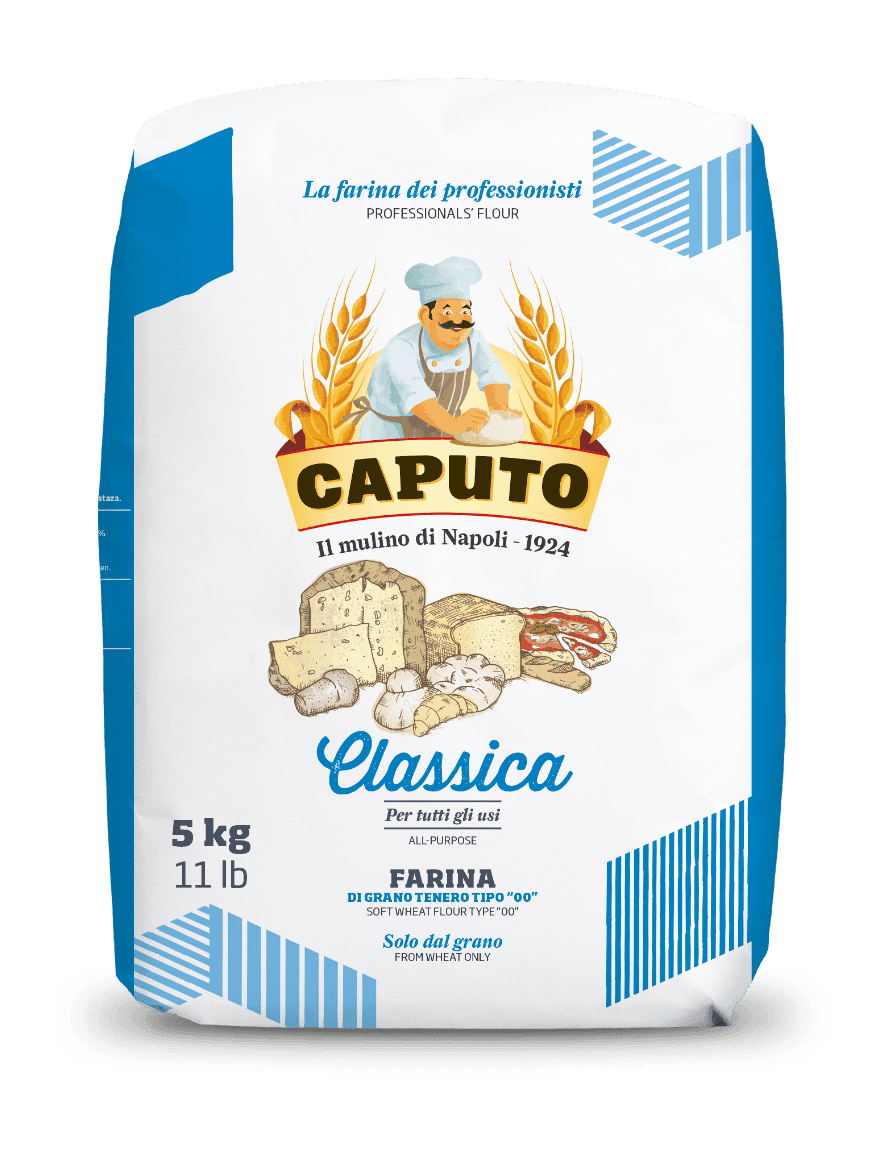 W 220–240
For short fermentation and moderate hydration. Best suited to same-day, thinner or less hydrated dough.
Manufacturer details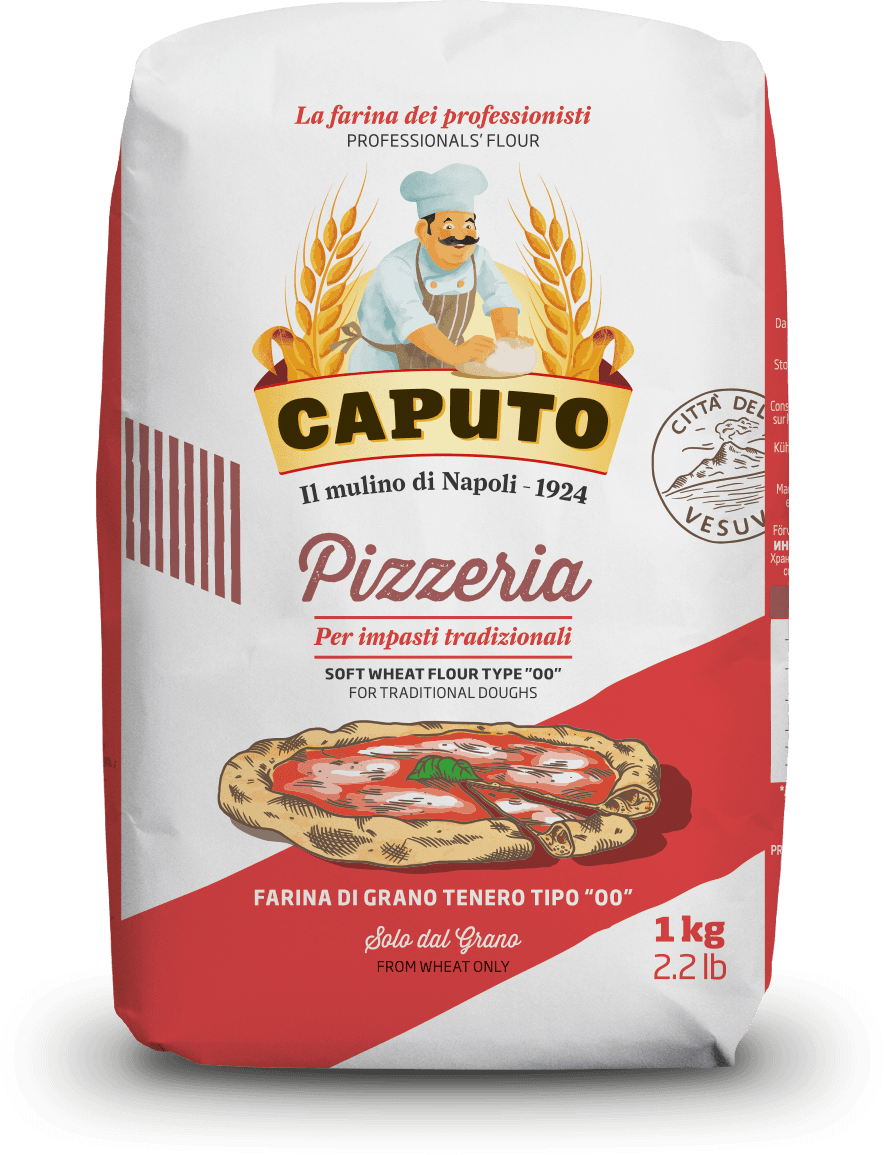 W 260–280
A classic Neapolitan all-round strength: balanced gluten, roughly 60–68% hydration, and short to medium fermentation.
Manufacturer details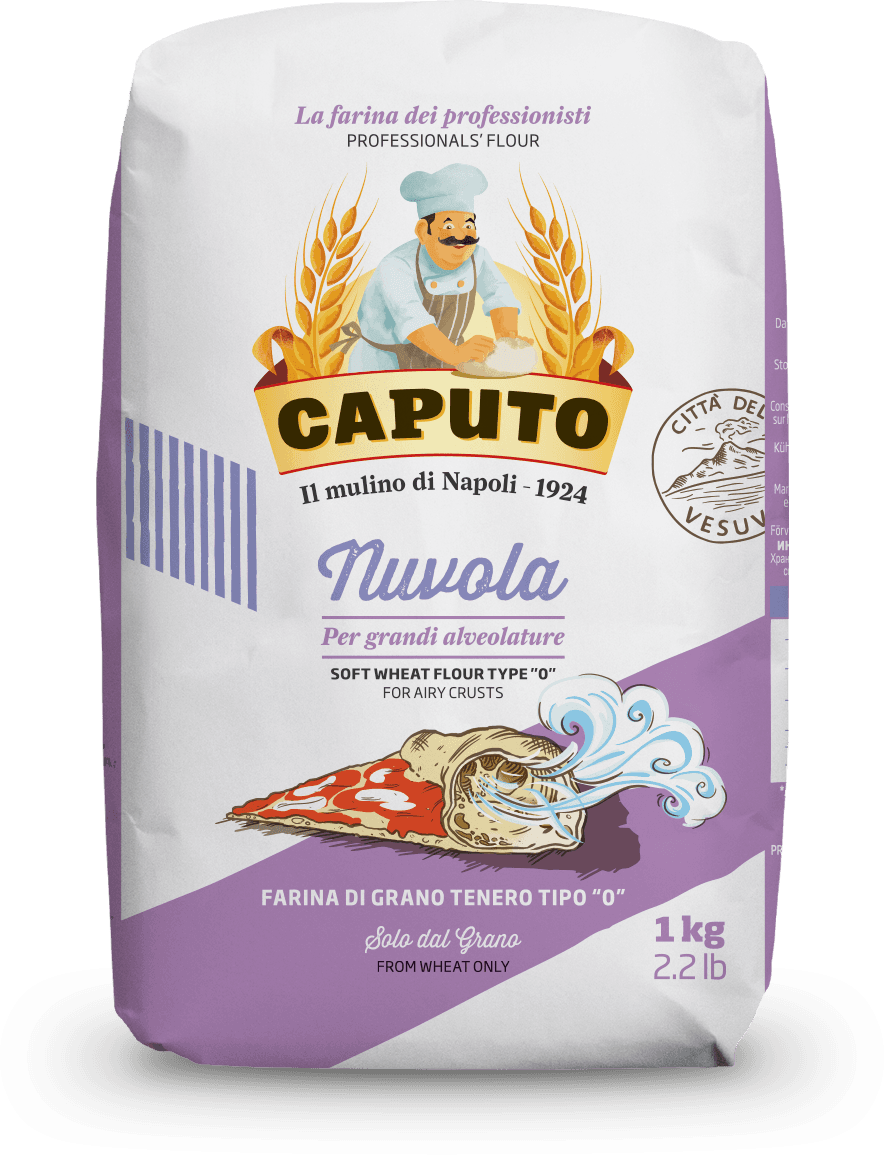 W 270–290
For airy, well-hydrated contemporary pizza. Slightly stronger than Pizzeria and designed for a more open rim structure.
Manufacturer details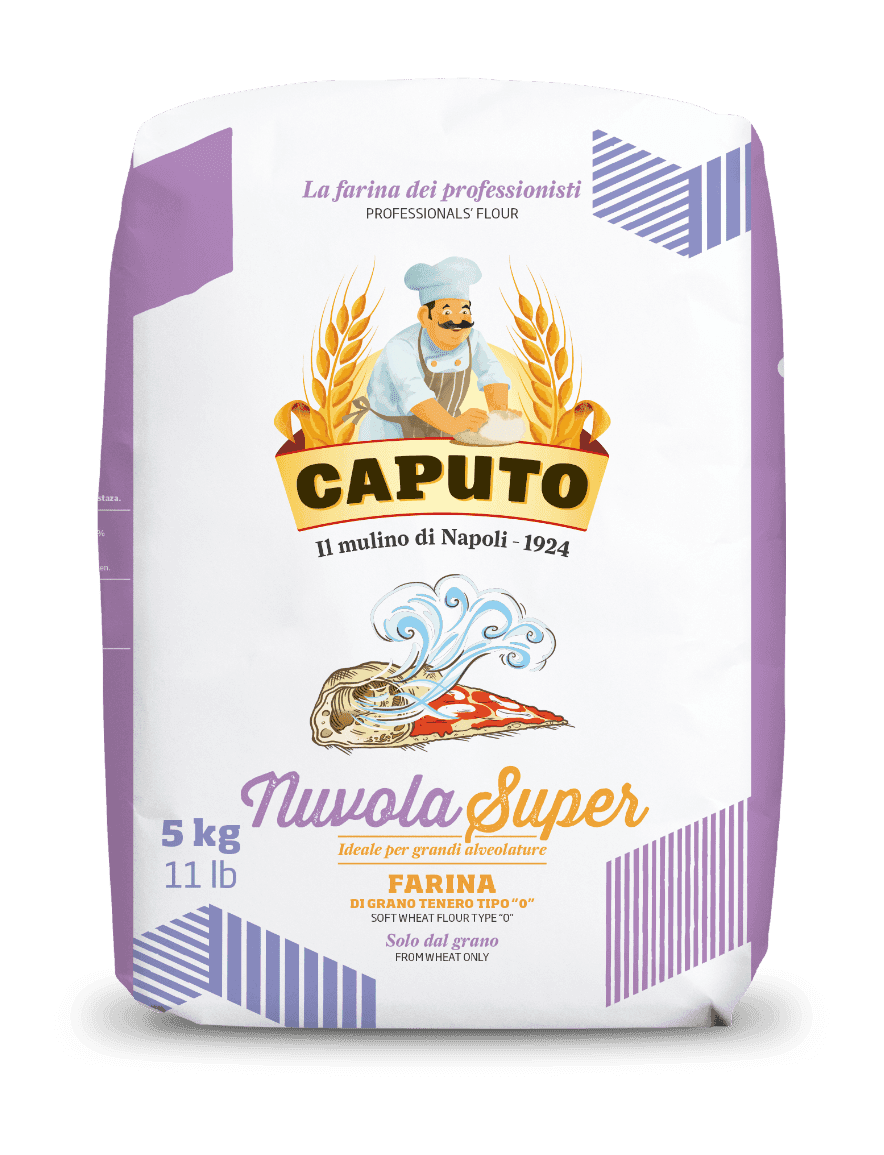 W 320–340
Strong flour for high hydration and long fermentation. Useful for airy pizza when W 270–290 no longer supports the time or water level.
Manufacturer details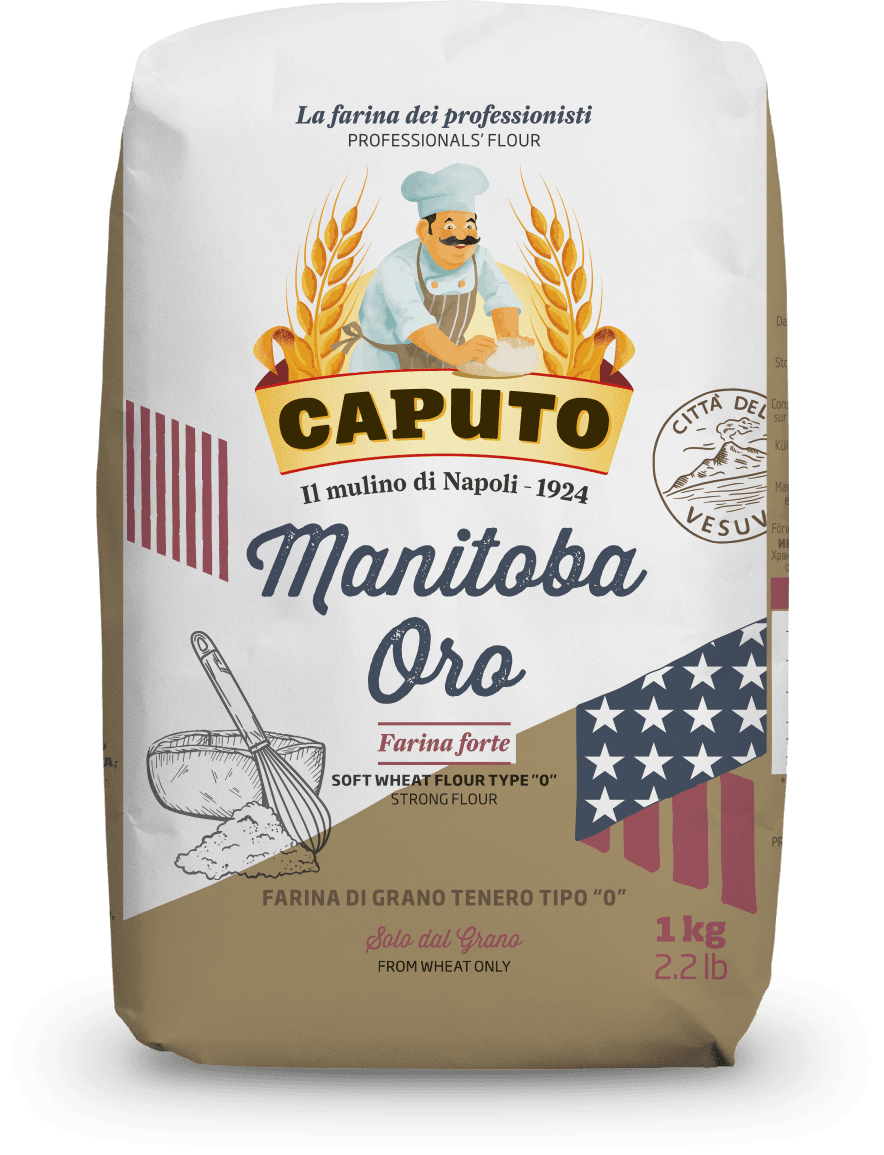 W 360–380
Very strong flour for extremely long fermentation or strengthening a flour blend. Used alone, it may make an ordinary pizza unnecessarily chewy.
Manufacturer detailsShort fermentation and commonly about 55–63% hydration. Too much time or water can make the dough spread and lose gas.
A versatile range for classic pizza, roughly 60–68% hydration, and short to medium fermentation.
Long 24–72 hour fermentation and roughly 65–75% hydration. The dough tolerates more water and fermentation.
Very strong flour or blends for extremely long and wet doughs. It may feel unnecessarily tight or chewy in an ordinary recipe.
3. How settings interact
More water can create a softer, more open crust, but only when flour and handling retain the gas. Stronger flour generally tolerates more water.
Longer fermentation generally needs a stronger gluten network. Weak flour can break down; unnecessarily strong flour may remain tight and chewy.
Around 2.5–3.0% salt adds structure and slows fermentation as well as adding flavour. Salt should not be used as the main fix for flour that is too weak.
Ball weight controls thickness together with diameter. In this app, medium means 30–32 cm: about 250–280 g for Neapolitan, 280–330 g for New York, 200–230 g for thin crust, and 350–500 g for pan pizza.
400–500°C suits fast-baked Neapolitan pizza with moderate hydration. A 250–300°C electric oven bakes longer and often benefits from a different setup; pan pizza handles high hydration well.
Brand alone does not determine ball weight: target diameter and pizza style do. A hot 400–500°C oven affects hydration and baking time more than ball size.
A good medium size for Ooni 12 ovens and every larger oven.
Fits a 16-inch Ooni or Chef Matteo oven when you want a larger pizza.
Ooni's own starting weight for a 16-inch pizza; requires a 16-inch cooking surface such as Chef Matteo Crosta 16.
For a low, crisp pizza instead of a classic Neapolitan rim.
4. Yeast and starter
Soft refrigerated baker's yeast, also known as cake yeast.
Dry yeast that is normally activated in liquid before use.
Fast-acting dry yeast that can be mixed directly into flour.
A starter containing half as much water as flour. SSD is not a universal abbreviation; lievito madre and pasta madre are also used.
A starter containing equal weights of flour and water, also called liquid starter, liquid levain or licoli.
5. What does the calculator know?
Ingredient masses and baker's percentages are exact mathematics. The amount of leavening is a practical estimate based on time, temperature and leavening type. Sourdough activity varies especially widely, so use the first bake to calibrate the calculator to your kitchen.